Investigating How Social and Physical Distance Impact Offender and Victim Mobility with Discrete Choice Modeling
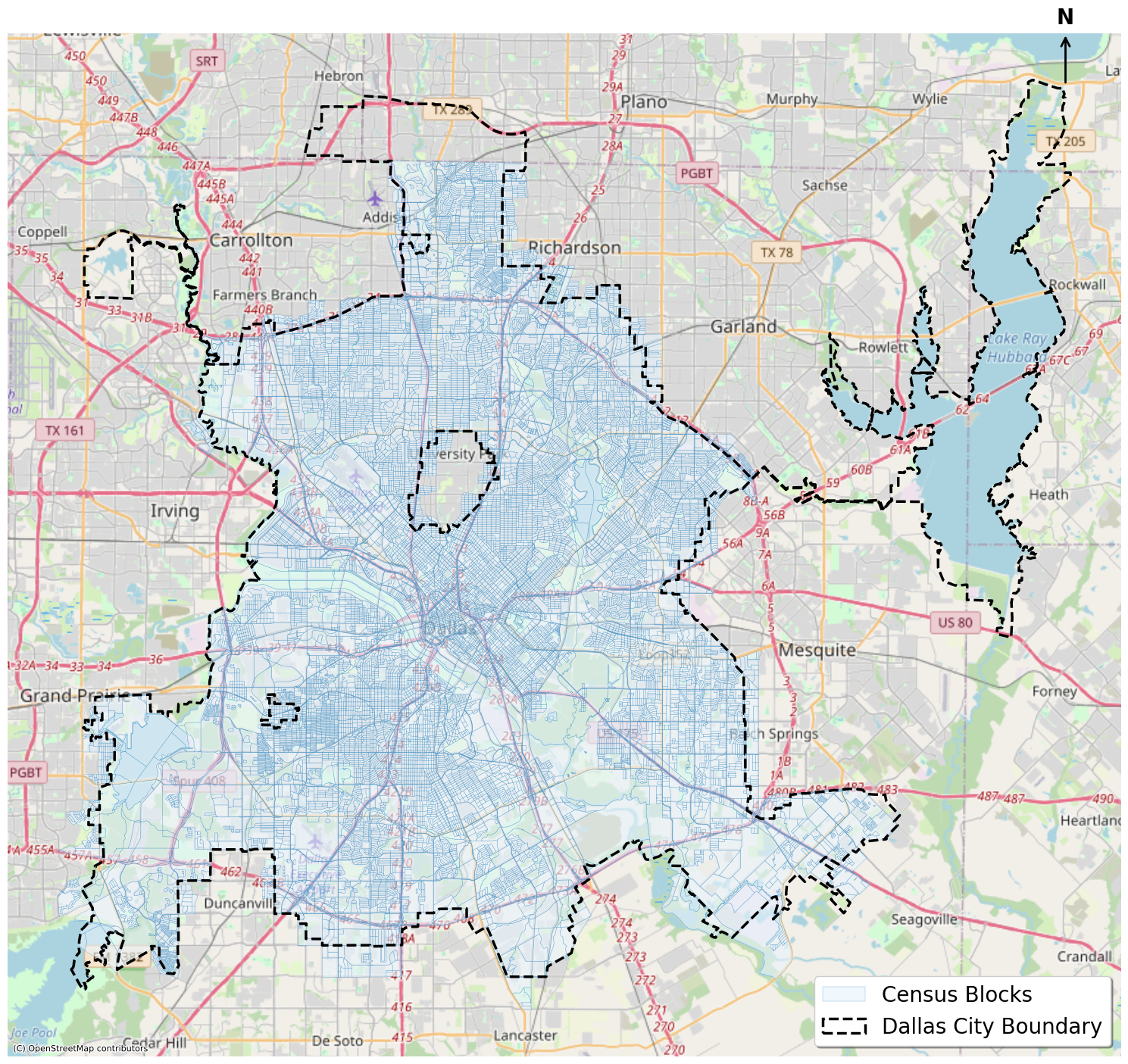
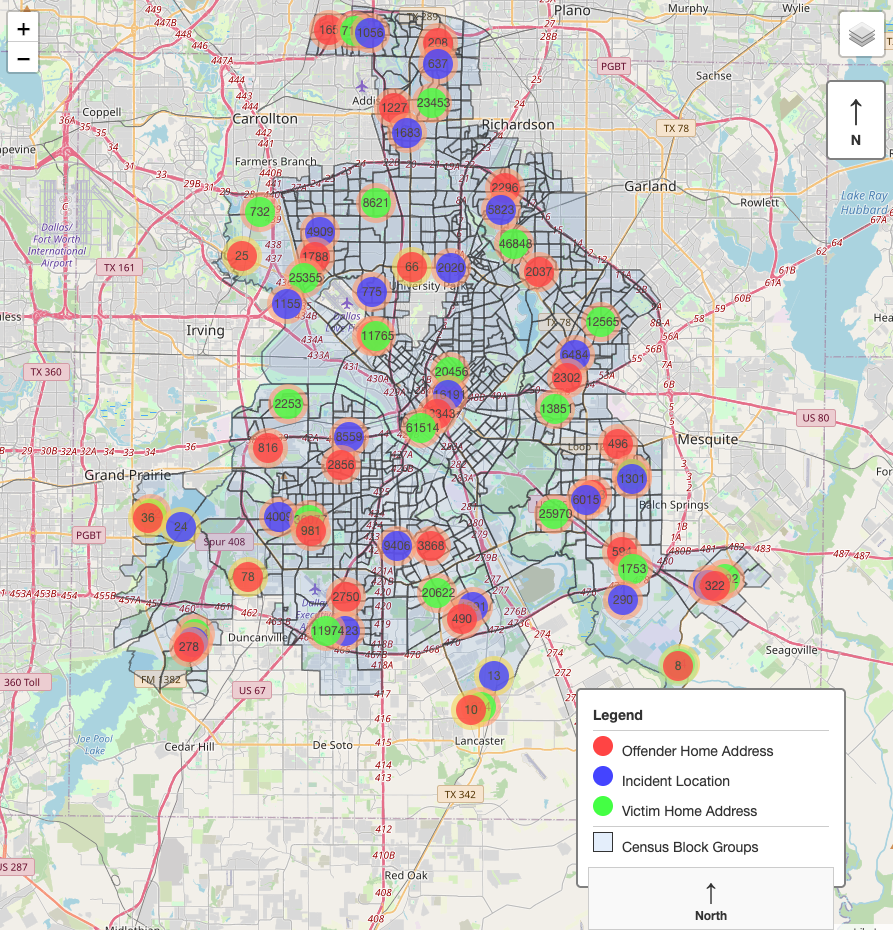
Examines how physical distance and social distance shape where offenders commit crimes and where victims are exposed to crime risk in Dallas. Uses discrete choice models with police incident and arrest records from 2014 to 2020, covering burglary, larceny, vehicle theft, assault, robbery, and drug violations at the census block group level. Finds strong distance decay for both offenders and victims, with offenders generally less spatially constrained, especially for property crimes. Racial dissimilarity reduces both offender and victim mobility, while income difference constrains victim mobility more consistently than offender mobility.
View →